Featured
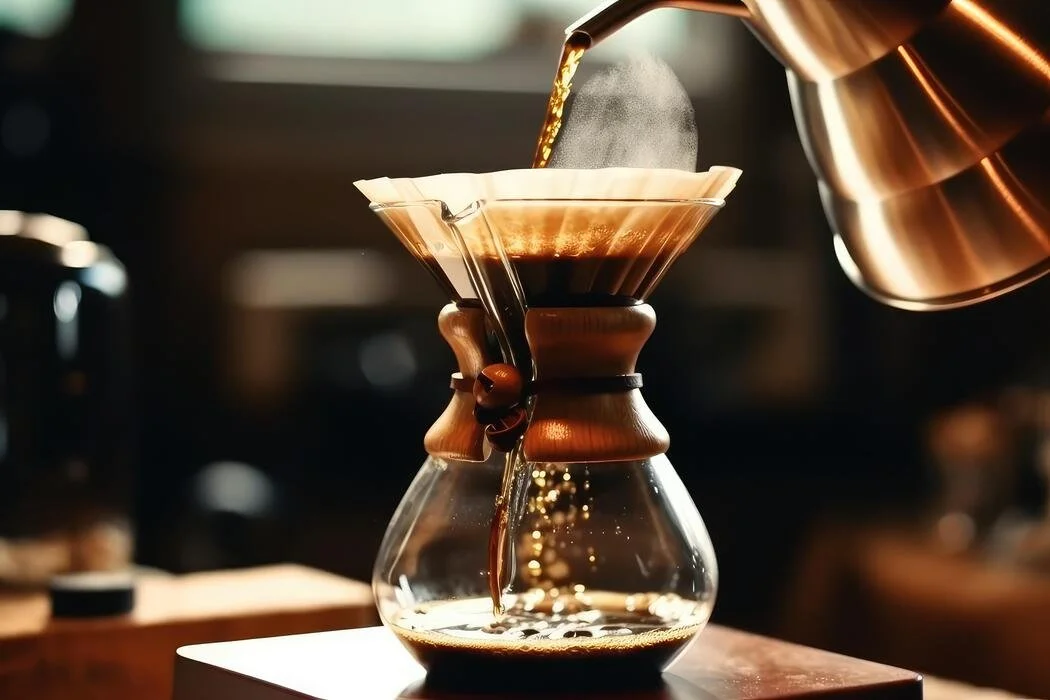




When it comes to brewing coffee, there are a lot of ways to go about it. Most people seem to find one or two they like and stick to them (e.g. drip in the winter, cold brew in the summer) but you may find some fun and adventure in exploring new ways to brew!
We discuss the next step to creating a great coffee, roasting. It is what we do here at Swift River Roasters. We roast.
An important factor in creating a cup of coffee is place-climate, elevation, soil, temperature and other aspects of terroir that all play a part in how a coffee grows and tastes.
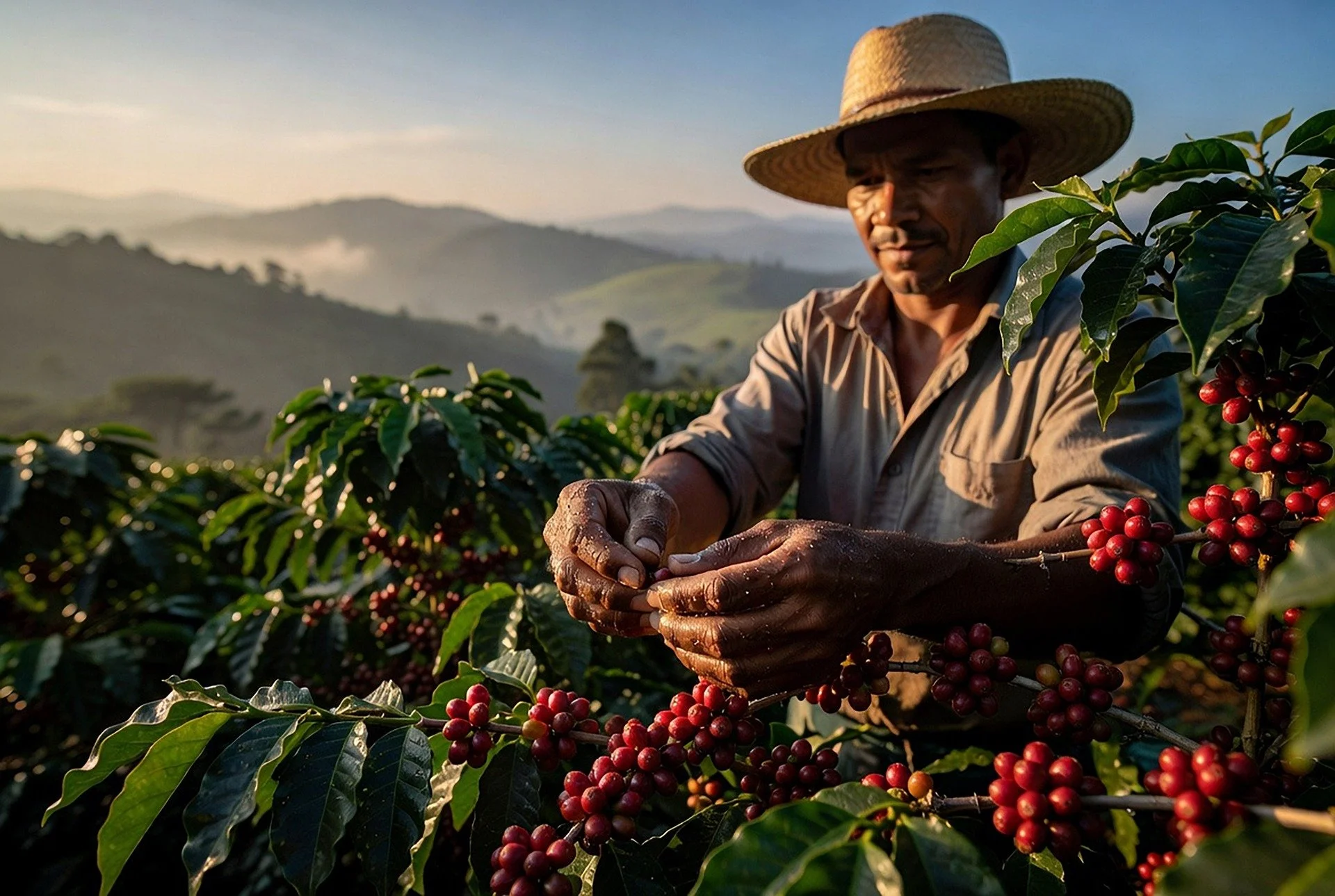
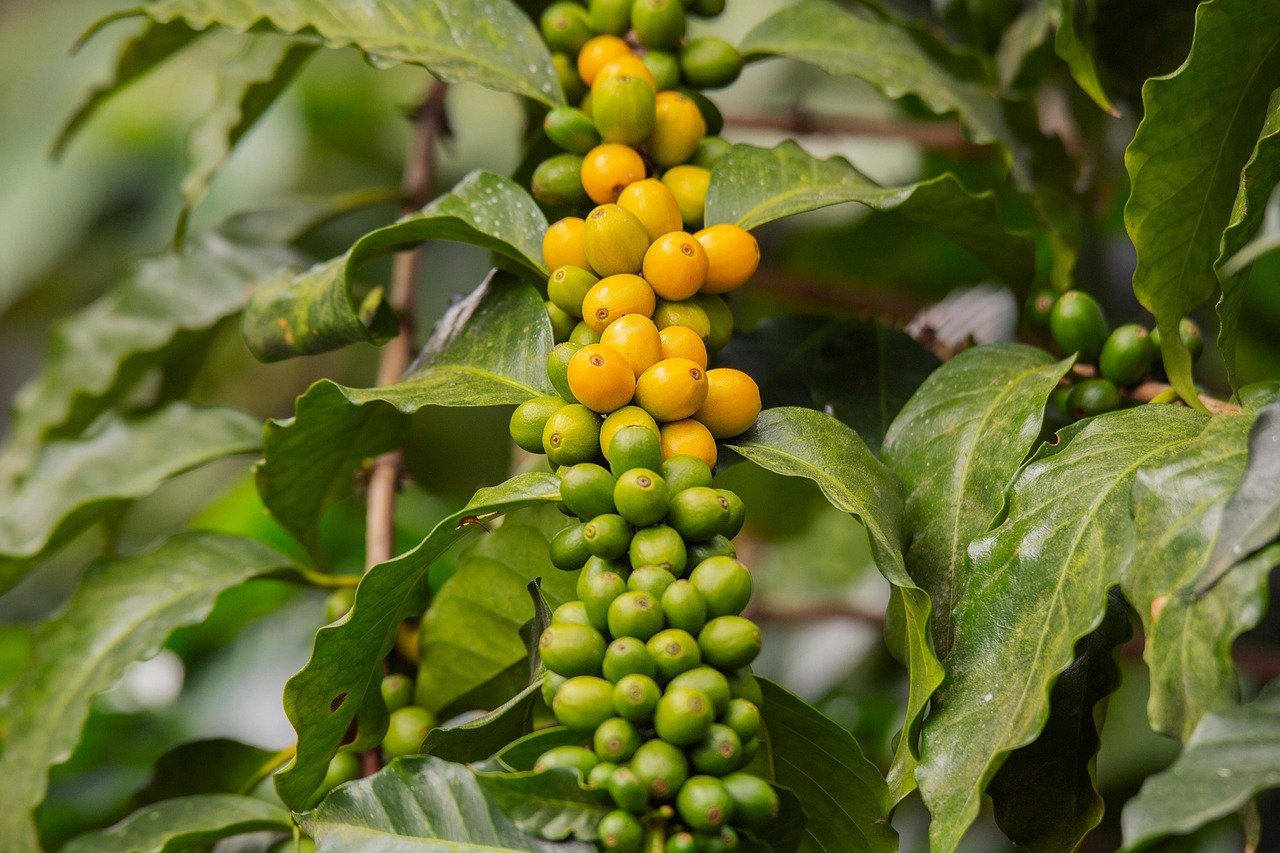
We’re going to break down the steps of processing to help you better understand how coffee goes from fruit on a plant into the cup you brew every day.
When we talk about coffee, we usually focus on flavor—notes of chocolate, citrus, florals, fruit, and more. But behind all of that is something less talked about and just as important: genetics.
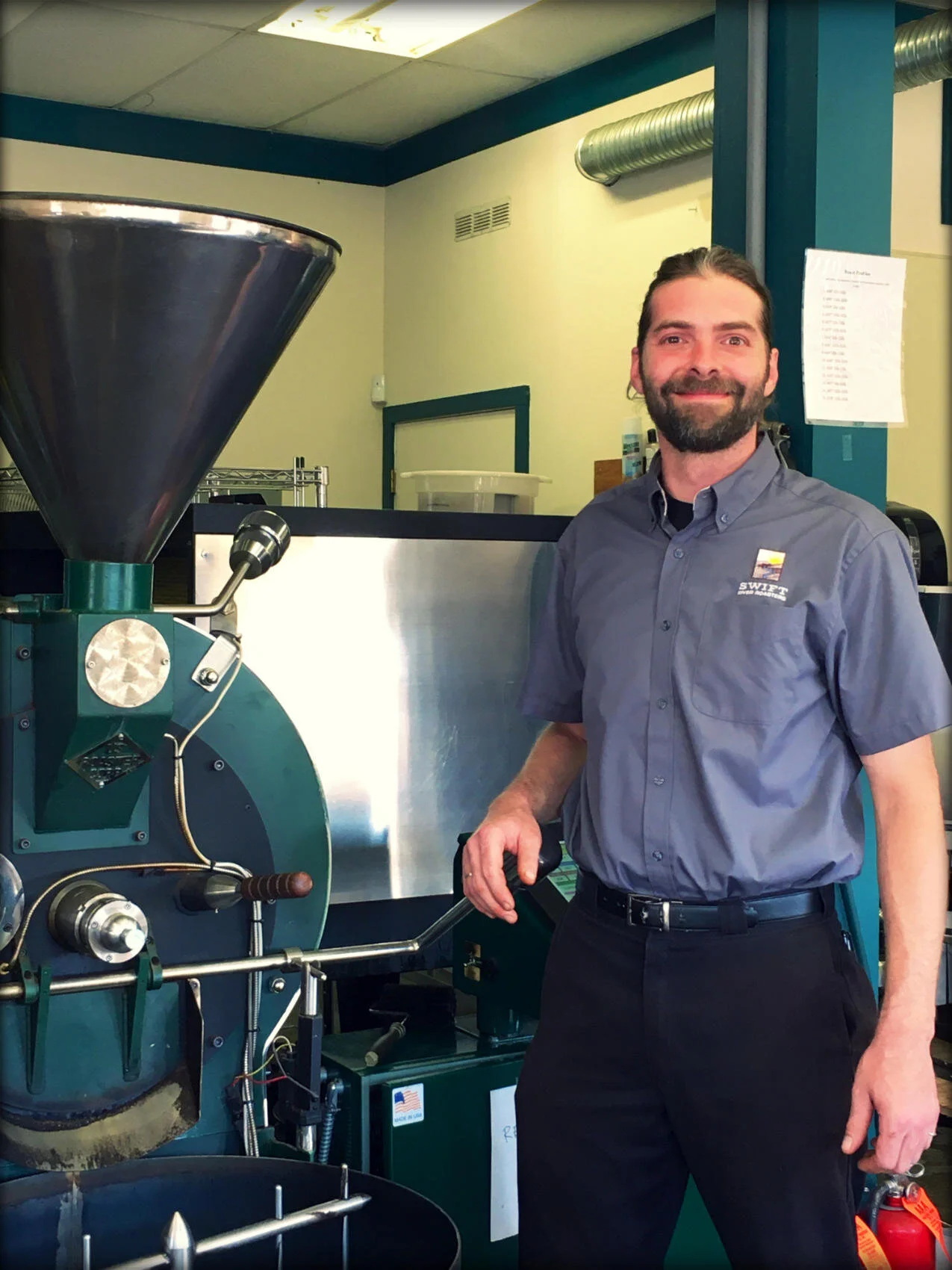
Ian Ballingall, Swift River’s head roaster, has been with Swift River since the beginning in 2010. He manages the operational components of the business, from the roasting and packaging to cupping and blend development.
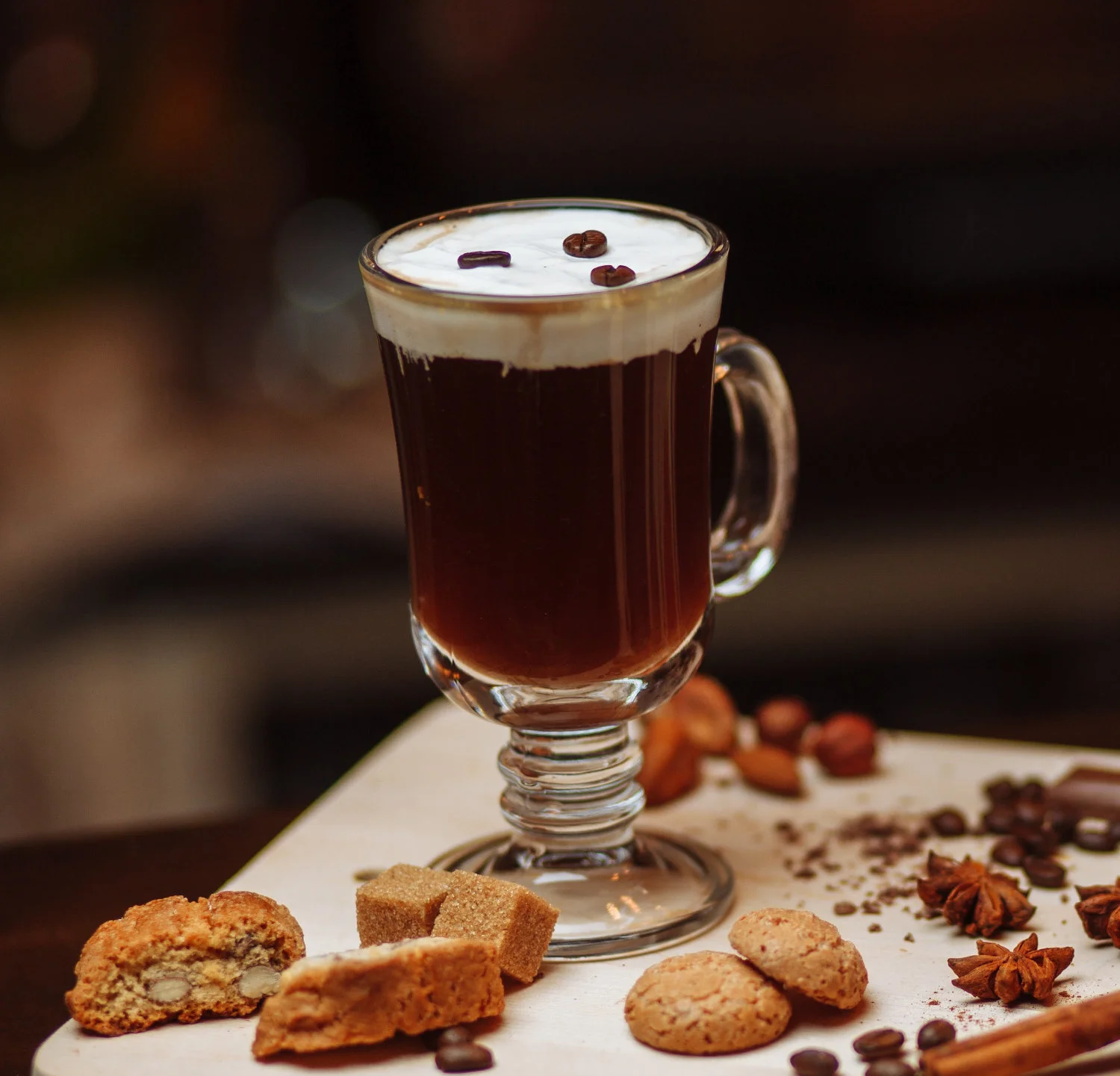
What’s the tastiest way for a coffee lover to celebrate St. Patrick’s Day?
Irish Coffee, of course!
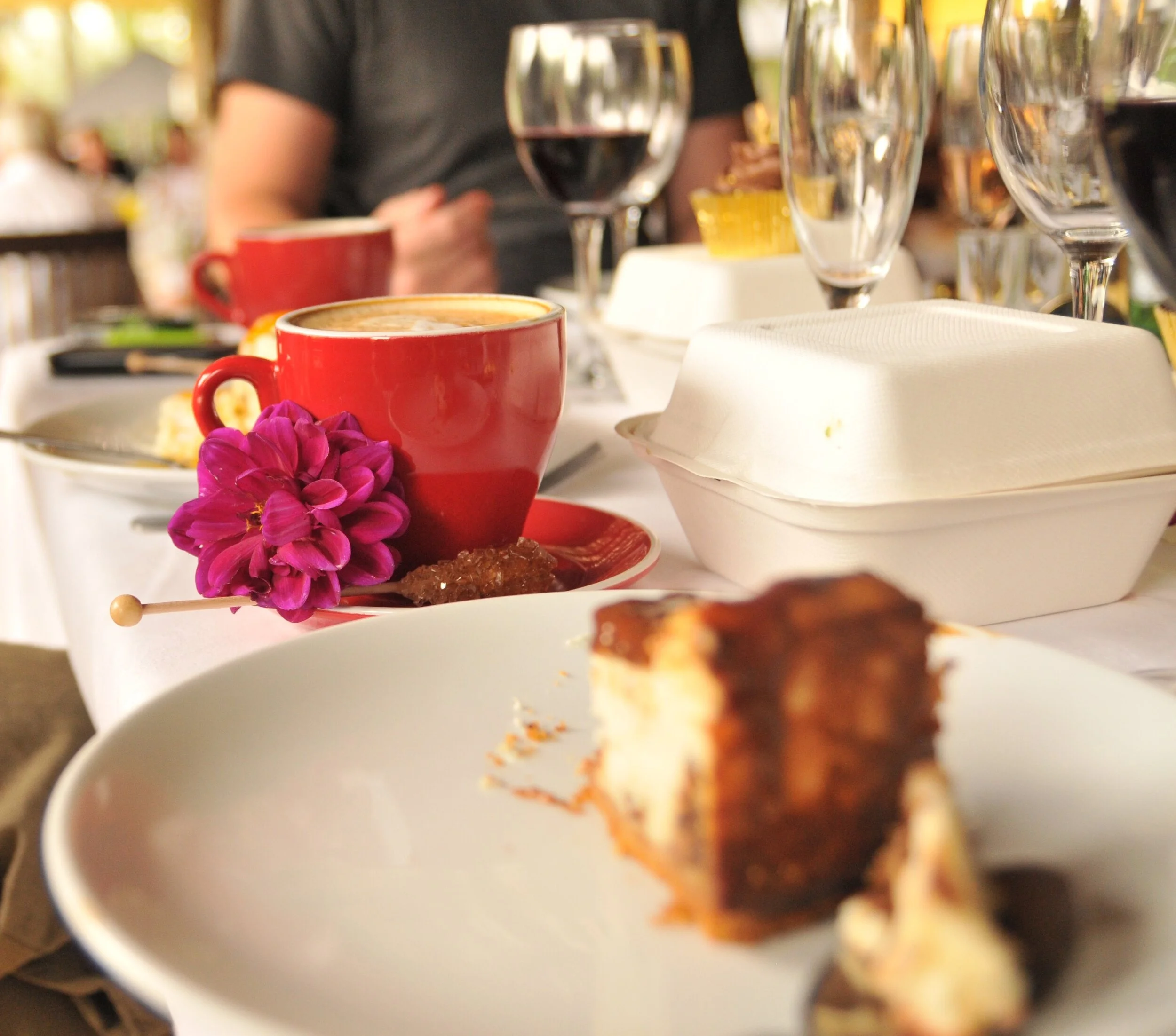
Picture this: it’s a chilly, rainy afternoon and you’re on the road. You drive by your favorite local coffee shop and can’t help but stop for a cup to warm you up.
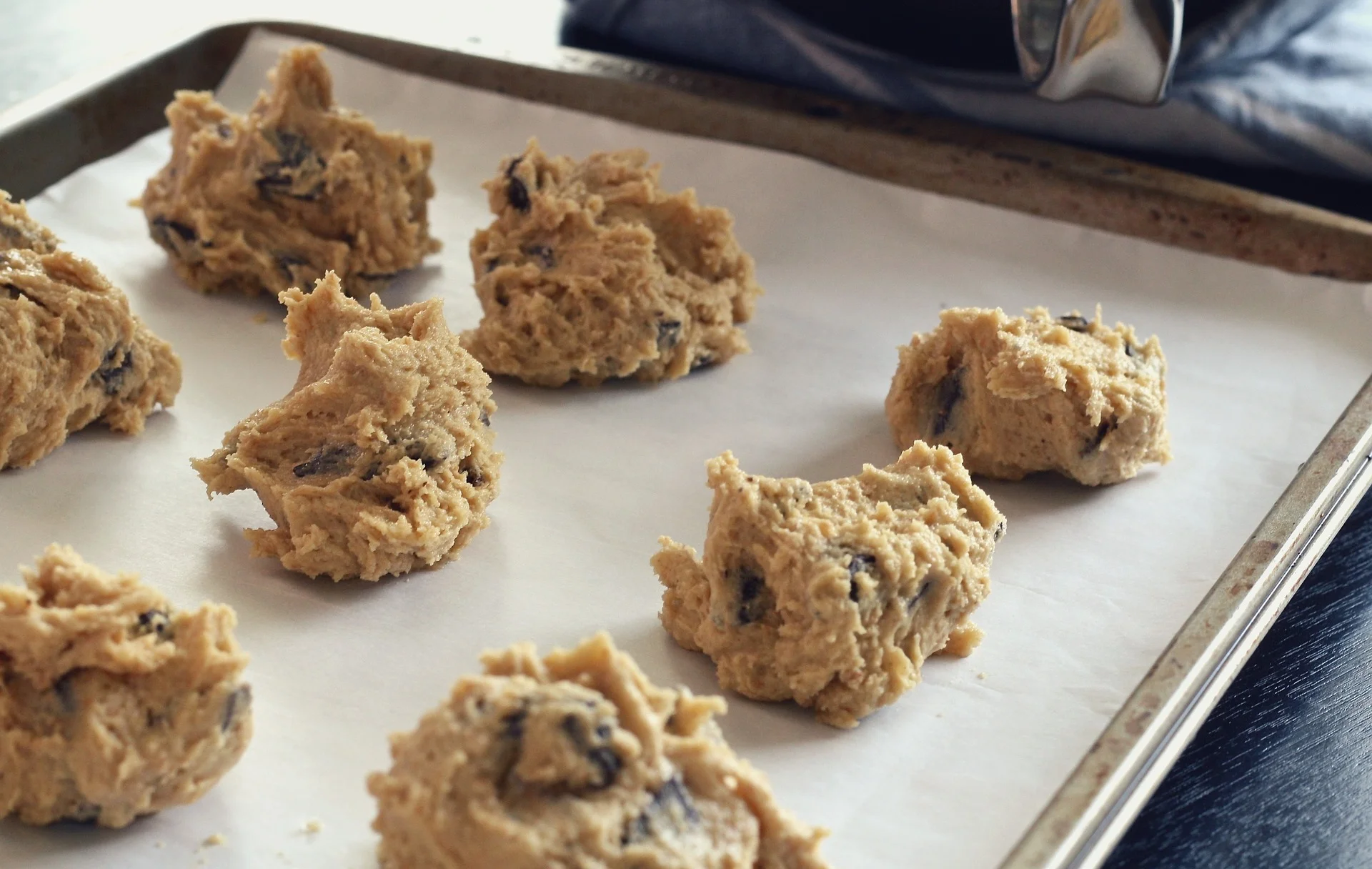
There’s something special about enjoying a hot cup of coffee with a freshly baked cookie, muffin, or pastry. But what about coffee in your baked goods?
As a coffee lover, you’re probably familiar with caffeine and some of its effects. But there’s more to it than just the jolt you need to get out of the house in the morning. Here are a few things you might not know about caffeine.