
Coffee Genetics: Arabica, Robusta, and Beyond
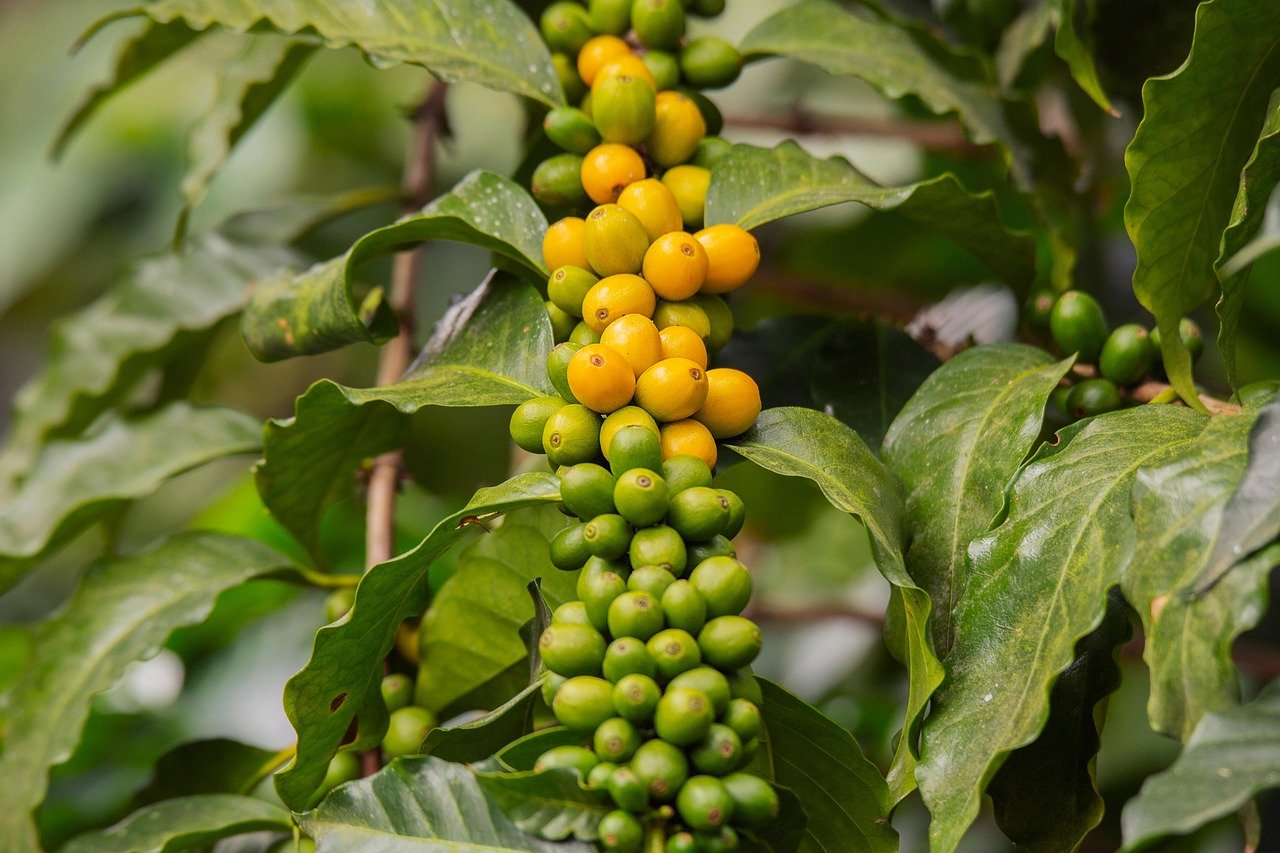
When we talk about coffee, we usually focus on flavor—notes of chocolate, citrus, florals, fruit, and more. But behind all of that is something less talked about and just as important: genetics.
Think of it as coffee’s family tree—and in this case, that tree has a lot of branches. We’ll focus on just a few.
Where It All Begins
Coffee’s roots trace back to the forests of Ethiopia, where wild Arabica coffee still grows today.
But Arabica didn’t just show up on its own—it’s actually a natural hybrid. Long ago, two species—Coffea canephora (Robusta) and Coffea eugenioides—crossed and created what we now call Coffea arabica.
That combination started it all—and there’s been a lot happening since.
● Robusta contributes toughness and disease resistance
● Arabica brings the flavor complexity we love
How Coffee Took Over the World
From Ethiopia, coffee made its way to Yemen, where it was first cultivated and traded. From there, it spread globally—and most of today’s coffee can be traced back to two major branches:
● Typica – spread widely through Asia and the Americas
● Bourbon – developed on an island in the Indian Ocean
These two lineages are essentially the grandparents of most coffees you drink today.
Mutations: Coffee’s Natural Experiments
Coffee plants change over time. Occasionally, a plant mutates in a way that’s advantageous to farmers—like growing shorter, producing more fruit, or adapting better to a specific climate.
A few well-known examples:
● Bourbon – prized for sweetness and balance
● Caturra – a compact, high-yield mutation of Bourbon
● Maragogipe – a Typica mutation with famously large beans
These weren’t created in labs—they just happened, and farmers kept the ones that worked.
Breeding a Better Coffee Plant
Here’s the challenge: Arabica has limited genetic diversity, which makes it vulnerable to disease (like coffee leaf rust) and climate stress.
To address this, breeders started crossing Arabica back with hardier species like Robusta. One important result was the Timor Hybrid, which helped introduce disease resistance into Arabica lines.
From there came varieties designed to balance:
● good flavor
● higher yields
● better resilience
One example is Tabi, developed in Colombia, which blends traditional Arabica heritage with disease-resistant genetics.
A personal note: one of my current favorite cups is a Colombian-grown Caturra/Tabi blend from the Huila region—soft, smooth, with notes of cocoa, vanilla, and noticeable sweetness. Those specially selected genetics really shine.
A Few Varieties You Might See
Here are a few names you’ll often spot on bags or menus:
● Bourbon – classic, sweet, balanced
● Caturra – compact plant, reliable production
● Maragogipe – huge beans, lower yield, unique character
● Tabi – modern hybrid with resilience and quality in mind
Each one represents a different branch of the same family tree.
Protecting Coffee’s Future
Because Arabica’s genetic pool is so narrow, preserving diversity is critical.
That’s where projects like Coffea diversa come in. Based in Costa Rica, they cultivate hundreds of different coffee varieties and species—not for mass production, but to protect genetic diversity.
Why does that matter? Because those rare or lesser-known plants might hold the key to:
● future disease resistance
● climate adaptation
● entirely new flavor profiles
In other words, they’re helping make sure coffee has a future.
Why This Matters in Your Cup
Genetics influence almost everything about coffee:
● how it tastes
● how it grows
● how resilient it is
So when you see a variety listed—Bourbon, Caturra, Tabi—it’s not just a label. It’s part of a much bigger story that ultimately shapes what ends up in your cup.
-Ian Ballingall, Head Roaster
Sources
● History of Arabica – World Coffee Research
● Genome study of Coffea arabica – Nature Genetics
● Coffee Genetics Overview – Acquired Coffee
● Arabica diversity & breeding – Science Publishing Group
● Coffee varieties basics – Counter Culture Coffee
● Coffee cultivars overview – The Roasted Life