
How Growing Conditions Affect Your Cup
You may have read our previous posts on Coffee Genetics and Processing Methods, two factors that heavily shape the way your coffee tastes and how we as roasters approach each batch. Another important factor in creating the cup is place-climate, elevation, soil, temperature and other aspects of terroir that all play a part in how a coffee grows and tastes.
The idea of region is most commonly associated with wine, but we can extend that familiar idea to the coffee we drink daily. Let’s look at a few distinct and probably familiar growing regions.
Brazil: Stability, Consistency and Scale
Brazil is often the reference point for understanding coffee at scale. Large growing regions, relatively stable climates, and efficient production systems tend to produce coffees that are consistent and approachable.
In the cup, this usually shows up as soft acidity, chocolate and nut-forward sweetness, and a smooth, heavy body. It is often familiar, approachable and exactly what you expect from coffee. Clean and clear washed coffees, maybe a bit more sweetness from the natural processed beans, but nothing wild. A great baseline and very consistent coffee.
This isn’t a lack of character—it’s a kind of clarity through consistency. Brazil gives you a “starting note” for coffee: balanced, dependable, and easy to understand.
Colombia: Elevation and Variation
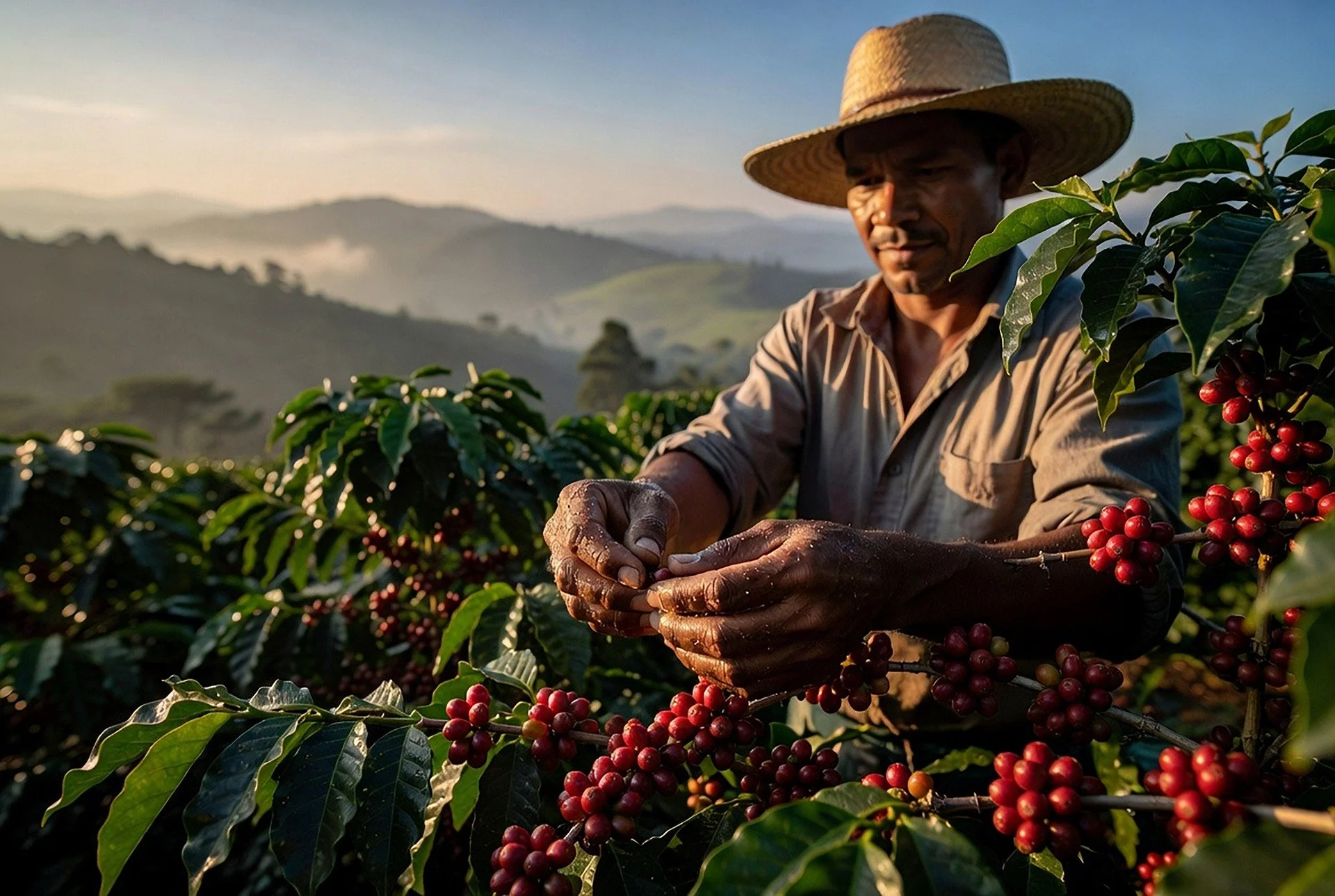
Let’s work our way to Colombia, another very well known coffee-producing country. Many bags of green coffee still bear the image of Juan Valdez, he is an iconic and familiar figure in coffee.
Here the picture becomes more complex. Coffee here is almost always grown in mountainous terrain, and elevation changes dramatically from region to region.
That verticality matters. Cooler nights slow maturation, which tends to increase sweetness and preserve acidity. The result is a cup that often feels brighter and more structured than Brazil, with notes ranging from sweet to deeply fruity to citrus and floral tones depending on the region.
What makes Colombia especially useful for understanding terroir is variation. Two coffees labeled “Colombia” can taste noticeably different if they come from different regions like Huila or Nariño. Even within a small geographic area, slope orientation, rainfall, and elevation can shift the cup profile.
Here, terroir starts to show it’s influence more tangibly.
Ethiopia: Terroir Through Biodiversity
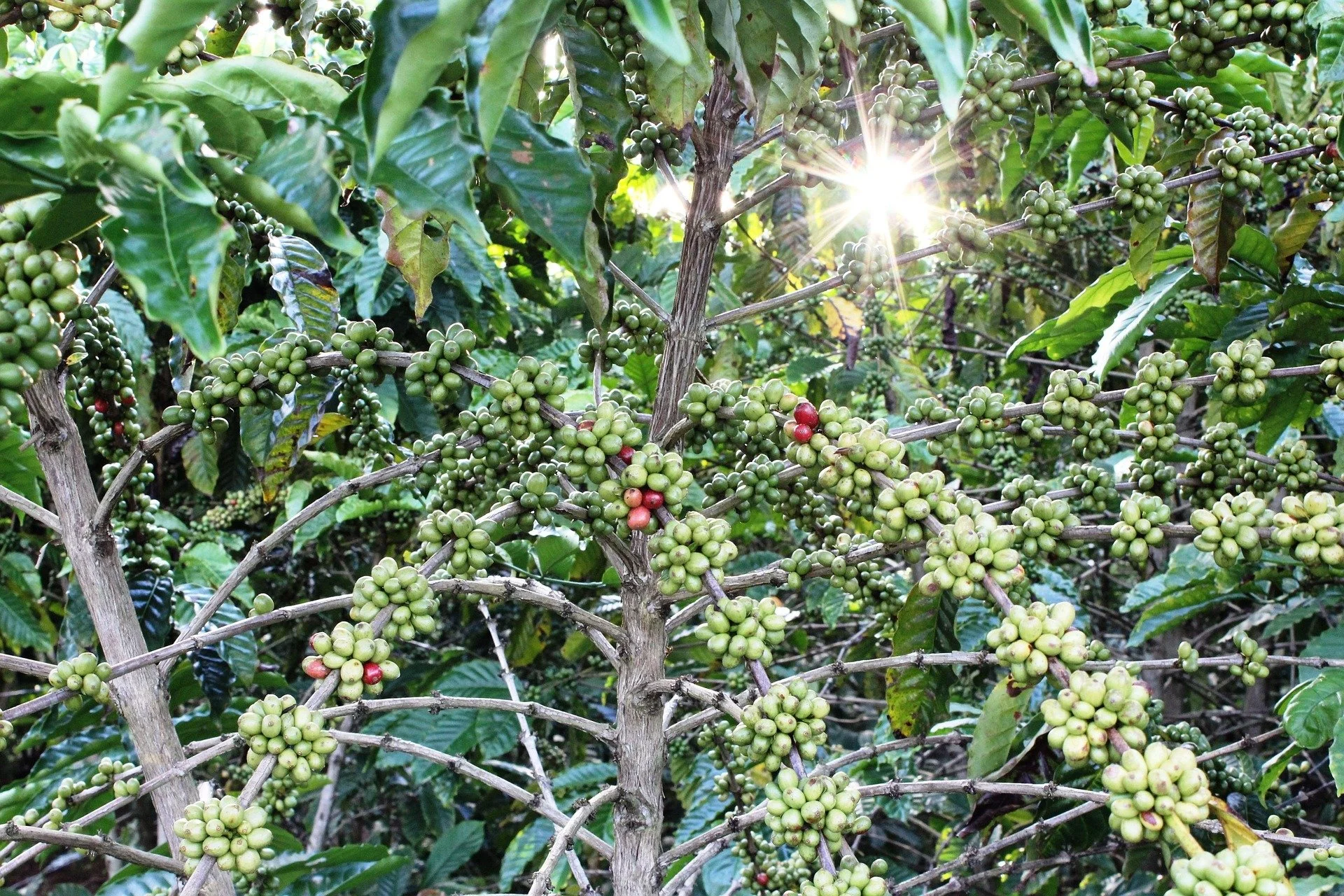
From the mountain slopes of Colombia, we travel to the southern highlands of Ethiopia, the birthplace of coffee. There is also an incredible genetic diversity here, which we discussed in our Coffee Genetics post. There are landrace and heirloom varieties of coffee, mostly Arabica, growing here.
In the growing regions of Sidamo, Harar, Yirgacheffe, Kaffa and others, coffee grows at high elevations (from roughly 1200-2000 meters above sea level [MASL]). The areas are generally humid forest with a large diversity of plants growing nearby providing shade, protection from pests or contributing to the soil. The elevation and cooler temperatures allow for slow cherry development, creating a denser, sweeter bean.
The genetic diversity of both the coffee varieties and nearby plants plays into creating a wide range of cup profiles. Often brighter and thinner bodied with notes of berry, citrus, fruit or tea these delicate flavor profiles are prized by coffee fanatics all over the world.
Hawaiian Coffee: Kona and Co.
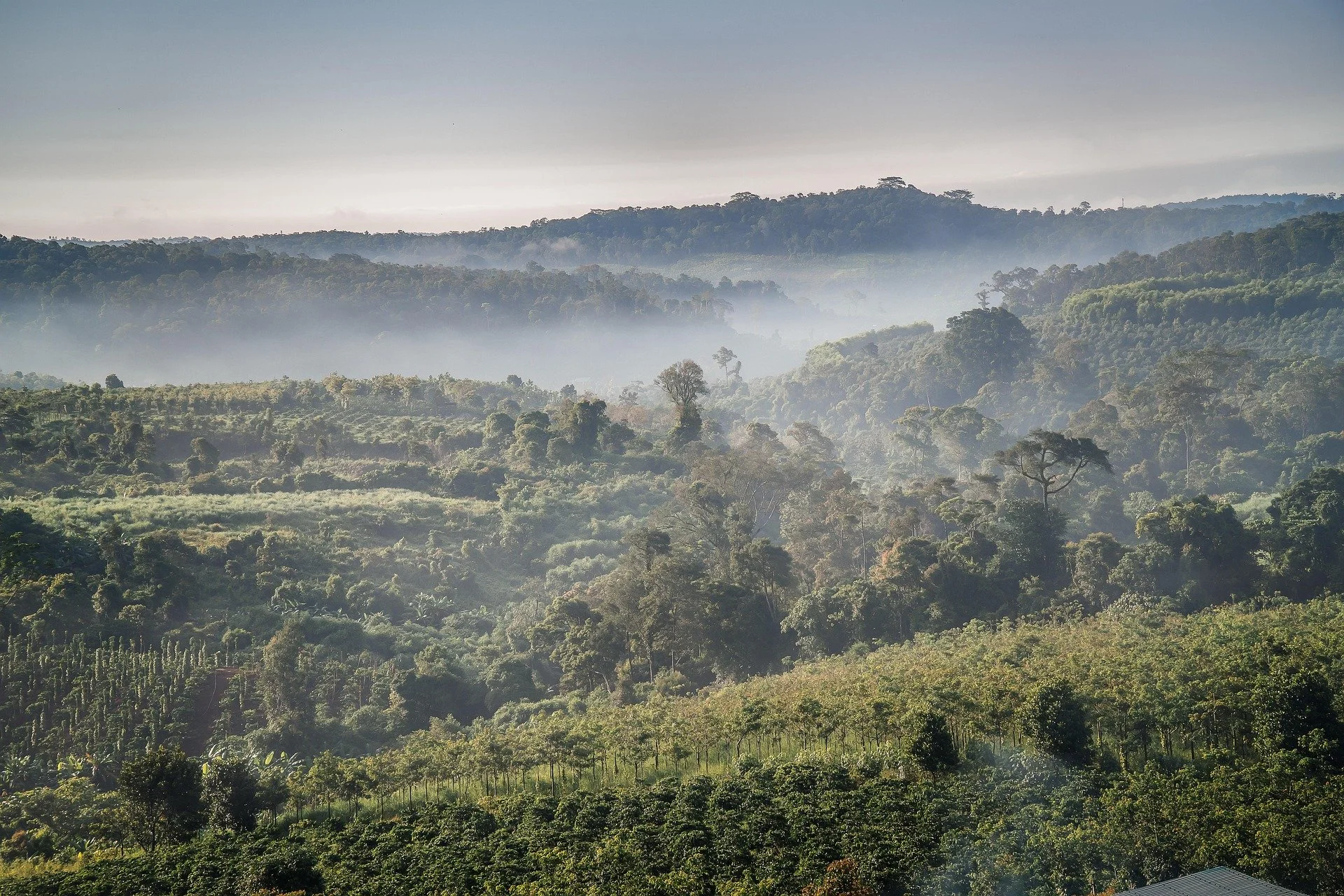
Coffee grown in Hawaii is most famously represented by Kona, but it is grown on most of the other islands in the archipelago. Grown at much lower elevations than most other coffees (topping out around 1,000 MASL), coffee grown here is shaped by consistency in climate, rich volcanic soil and highly controlled farming practices to get the most out of a small growing area.
Hawaiian coffees are generally characterized by mellow acidity, chocolatey body and notes of spice and vanilla. A very pleasant and reliable flavor profile.
This is terroir shaped by isolation and control—less about variation, more about consistency within a very specific environment.
Jamaica Blue Mountain: No Substitute
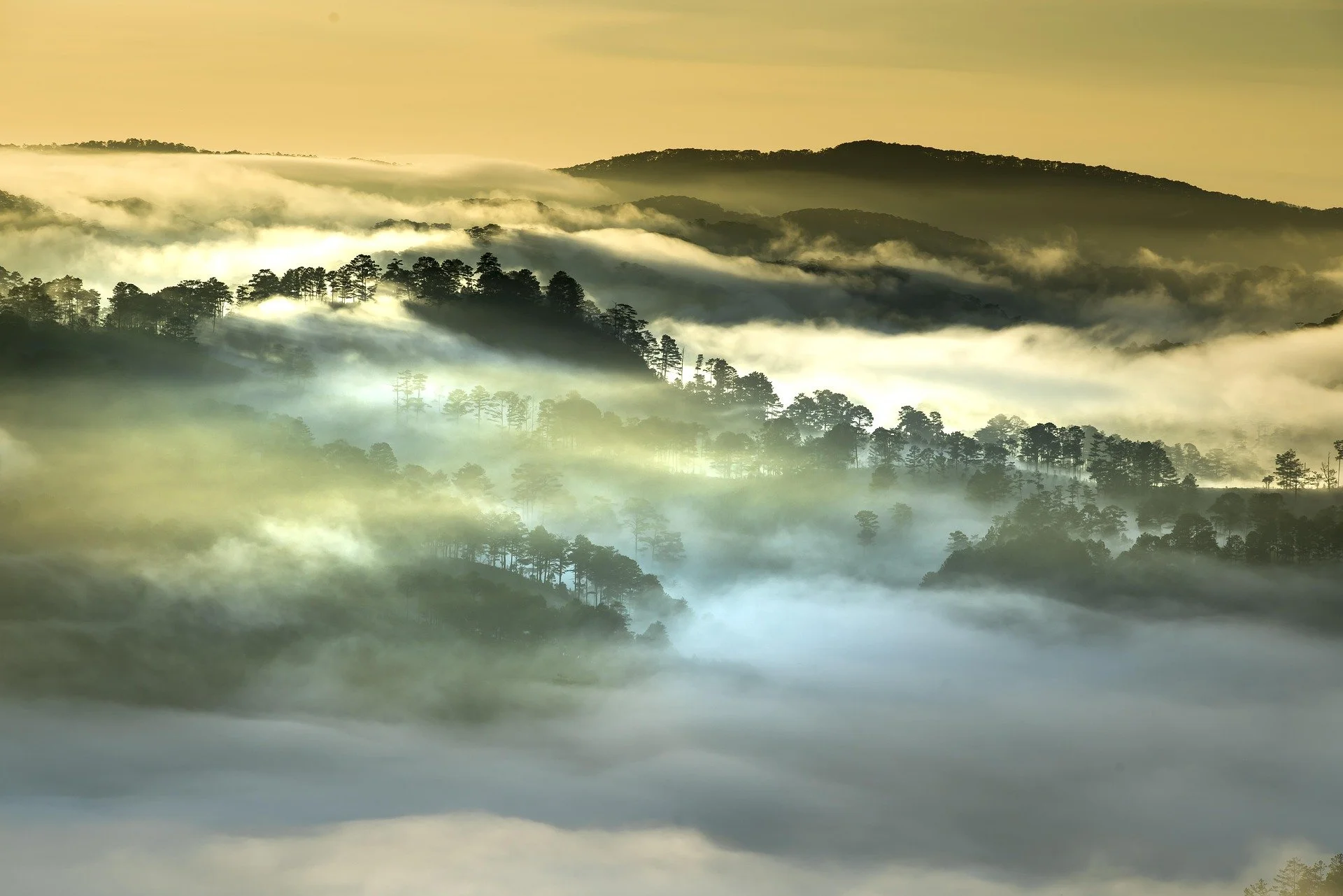
The coffee known as Jamaica Blue Mountain is grown on Jamaica’s Blue Mountain. Not near it, not blended with it, not something else entirely with a false label. The name Blue Mountain is highly protected and strictly defined. This small, specific geographic area produces some of the most sought-after and expensive coffee in the world.
High elevation, consistent cloud and fog cover and rich volcanic soil shape the cup here. Very low bitterness, silky smooth, mild acidity, sweet and rounded are the defining characteristics that have made Blue Mountain famous.
If Brazil represents broad consistency, Blue Mountain represents refined restriction—the idea that when conditions become narrow enough, flavor can become almost perfectly even.
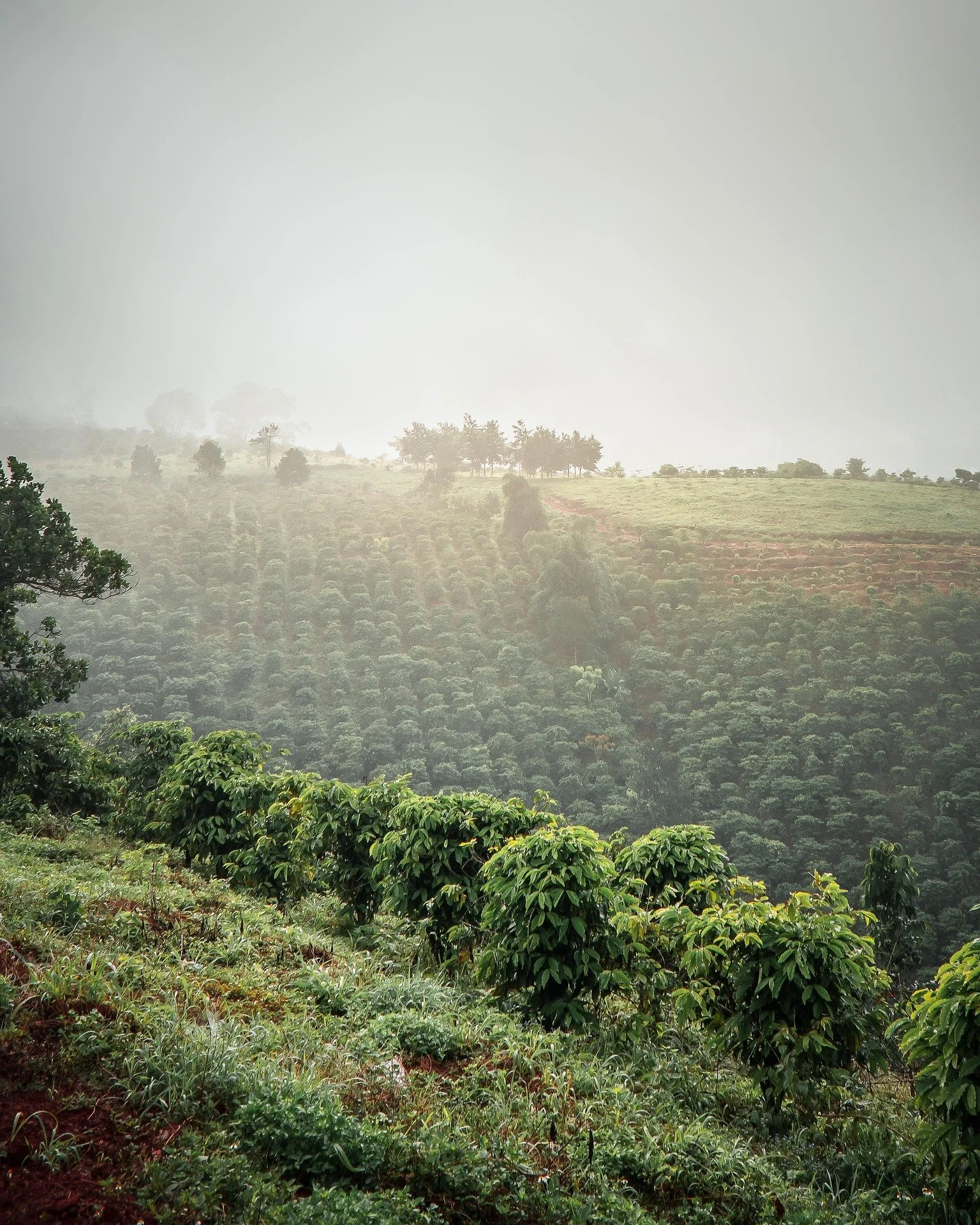
A Brief Look at the Effects of Local Elements:
Elevation: Drives temperature down, more fluctuation in temperature between day/night. Allows for slower cherry development and ripening, often producing a sweeter, denser cup.
Temperature: Higher temperatures with less fluctuation let cherries ripen faster and, in some cases, allow for multiple harvests. Warmer temperatures can also lead to increased issues with pests or disesase.
Rainfall: Consistent rainfall is important, particularly once cherries begin to form and grow. Drought can obviously inhibit plant growth and harvest yields.
Soil health/fertility: Healthy soil microbes and fertile soil allow for better nutrient uptake, improving yields and cherry quality. Soil components can also lend to the character of the cup in acidity and flavor notes.
Closing Thought: Place as a Spectrum
As you can see, there are a lot of ways in which geography can influence the outcome of a coffee harvest. We have touched on some of the most prominent regions, but many countries grow great coffee and they are all unique in what they bring to cup quality. Some of my recent favorite coffees have hailed from Haiti, Nicaragua, Mexico and Zambia to name a few, each incredible in their own way. If you think of Brazil and Colombia as strictly “commodity” coffees because of their consistency and scale of production, try something a bit unique-a natural processed coffee, a new variety (like our “Roaster’s Choice for June, a Colombian Castillo) or something from a region you are unfamiliar with. The result will probably surprise you.
Brazil shows what coffee tastes like when terroir is broad and generalized. Colombia introduces elevation-driven structure. Ethiopia adds biodiversity and genetic complexity. Hawaii refines flavor through isolation and control. Blue Mountain narrows everything into precision and balance.
Terroir isn’t one thing—it’s a spectrum of forces acting on a seed as it becomes a cup. And the more you taste across origins, the more you understand the expression of geography through the flavor.
Ian Ballingall
Head Roaster
Sources:
Ethiopian Coffee: Taste, Growing Regions, Production, and Brewing – Colipse
Hawaii Coffee Growing Regions – Hawaii Coffee Industry
JA Coffee Blog┃What makes Jamaica Blue Mountain coffee so unique? | JA Coffee